
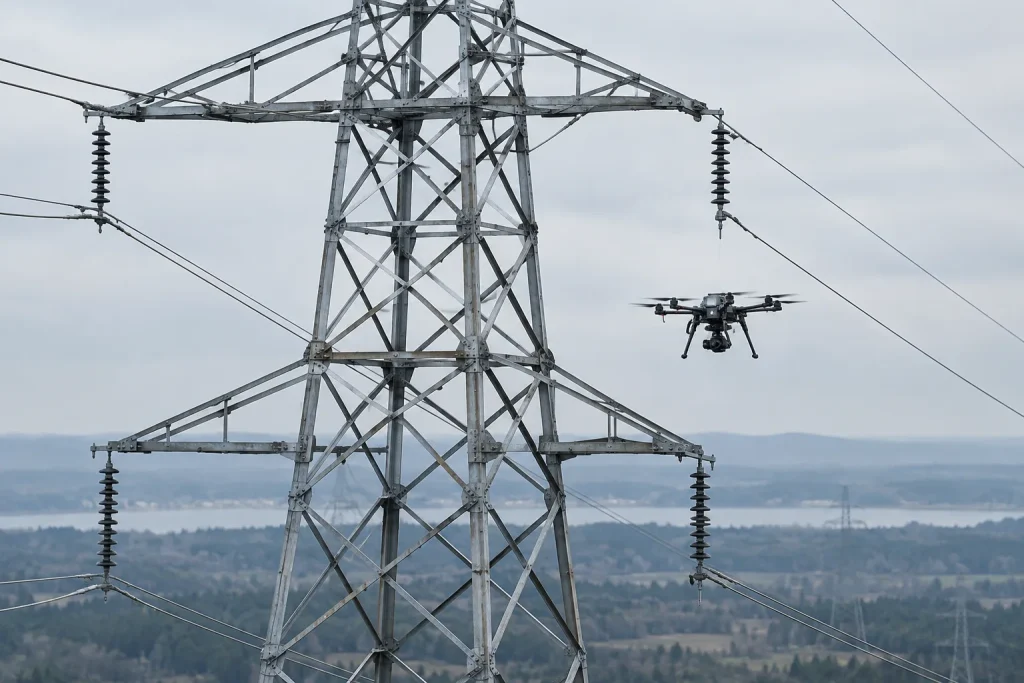
Drones are most useful in the places that are hard, expensive, or unsafe for people to reach. Industrial inspection is a natural fit: tall structures, long pipelines, and remote assets that need to be checked regularly without scaffolding, rope access, or downtime.
Why inspection drives the design
Inspection work rewards the same things an industrial drone is built for: a stable platform, precise positioning, and the ability to repeat the same flight in the same conditions. Because the aircraft follows similar paths again and again, small gains in reliability and consistency translate directly into dependable results for the operator.
That is why NEXA designs platforms around the mission rather than around a specification list. When the aircraft, the payload, and the ground workflow are treated as one system, the captured data comes back consistent and usable — not just a set of images.
What to look for in a platform
- Stable, gust-tolerant flight behavior in close-to-structure work
- Payload integration that matches the sensors the survey actually needs
- Serviceability, so the aircraft can be maintained on a realistic schedule
Inspection capability comes from the combination of these factors, not any single number. A platform that is stable, integrated, and serviceable will earn its place on a routine inspection program far more reliably than one that chases peaks on paper.